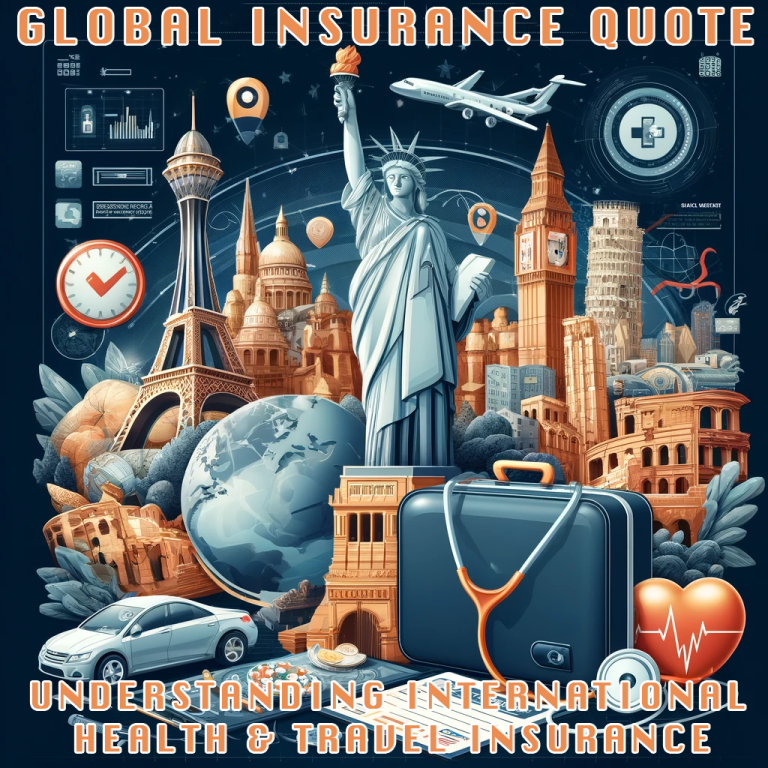
How AI Can Improve Insurance Product Sales is a crucial topic in today’s tech-driven marketplace. With the rise of artificial intelligence, the insurance industry finds itself at the forefront of innovation, leveraging AI to enhance sales strategies, streamline processes, and better understand customer needs. This shift not only fosters efficiency but also creates personalized experiences that resonate with clients, making it a win-win for both insurers and policyholders.
As companies increasingly integrate AI technologies, they can analyze vast amounts of data to predict trends, identify target demographics, and improve customer interactions. This transformation allows insurance providers to offer tailored products that meet the unique requirements of their clients, driving higher conversion rates and customer satisfaction.
In today’s fast-paced world, the importance of effective communication cannot be overstated. Whether it’s in a professional setting or personal interactions, the way we express ourselves can have a significant impact on our relationships and opportunities. This article will delve into the nuances of communication, exploring its various forms, the barriers we face, and practical tips for improving our skills.
The Essence of CommunicationCommunication, at its core, is the act of conveying information. It can take various forms, including verbal, non-verbal, written, and visual. Each form plays a critical role in how messages are delivered and received. Verbal communication involves spoken words, while non-verbal encompasses body language, gestures, and facial expressions. Written communication includes emails, reports, and messages, and visual communication incorporates images, graphs, and videos.
The Role of Context in CommunicationUnderstanding the context of communication is crucial. The setting, audience, and purpose all influence how a message is interpreted. For instance, a casual conversation with friends differs greatly from a formal presentation in a boardroom. Tailoring your communication style to fit the context can enhance clarity and effectiveness. Barriers to Effective CommunicationDespite our best efforts, various barriers can hinder effective communication.
These may include physical, psychological, or cultural barriers. Physical barriers involve distance or environmental distractions, while psychological barriers may stem from preconceived notions or emotional states. Cultural barriers arise from differences in language, values, and social norms.To navigate these obstacles, it’s essential to be aware of their existence and actively seek to minimize their impact. For example, when communicating across cultures, taking the time to understand and respect differing perspectives can foster better relationships.
Active Listening: A Key ComponentOne of the most vital aspects of communication is listening. Active listening involves not just hearing the words being spoken but fully engaging with the speaker. This means paying attention, providing feedback, and asking clarifying questions when necessary. By showing genuine interest in the conversation, you demonstrate respect and openness, which can lead to more meaningful interactions. Non-Verbal Communication: The Silent MessageWhile words are powerful, non-verbal cues often speak louder.
Body language, eye contact, and tone of voice can significantly influence how a message is perceived. For instance, crossed arms may suggest defensiveness, while maintaining eye contact can convey confidence and trustworthiness. Being mindful of your non-verbal communication can enhance the effectiveness of your message. The Power of Empathy in CommunicationEmpathy is the ability to understand and share the feelings of others. In communication, it allows us to connect on a deeper level.
By empathizing with others, we can tailor our messages to resonate with their emotions and experiences. This not only fosters a sense of connection but also encourages open dialogue and collaboration. Practical Tips for Improvement
1. Be Clear and Concise
When conveying information, aim for clarity. Avoid jargon and overly complex language. Summarizing key points can help ensure your message is understood.
2. Practice Active Listening
Engage fully in conversations by focusing on the speaker. Nodding, summarizing, and asking questions can enhance your listening skills.
3. Be Aware of Non-Verbal Cues
Pay attention to your body language and that of others. Adjust your gestures and expressions to align with your message.
4. Seek Feedback
Encourage others to provide feedback on your communication style. This can help you identify areas for improvement and understand how your messages are received.
5. Embrace Cultural Sensitivity
Educate yourself about different cultures and communication styles. Being respectful and adaptable can prevent misunderstandings.
6. Practice Empathy
Make a conscious effort to understand the perspectives of others. This can improve your ability to connect and communicate effectively.

7. Stay Open-Minded
Approach conversations with an open mind. Be willing to consider new ideas and perspectives, even if they differ from your own. ConclusionIn conclusion, effective communication is a skill that can significantly impact our personal and professional lives. By understanding the various forms of communication, recognizing barriers, and actively working to improve our skills, we can foster more meaningful connections and enhance collaboration.
Remember, communication is a two-way street; it requires both speaking and listening. Embrace the journey of becoming a more effective communicator, and you’ll undoubtedly reap the rewards in all aspects of your life.
Key Questions Answered: How AI Can Improve Insurance Product Sales
What specific AI tools can improve insurance sales?
AI tools such as chatbots, predictive analytics, and CRM software help automate processes and provide insights into customer behavior, enhancing sales efficiency.
How does AI personalize the customer experience in insurance?
AI analyzes customer data to tailor product recommendations and communication, ensuring that customers receive relevant and timely information.
Can AI help in fraud detection in insurance?
Yes, AI systems can identify patterns and anomalies in claims data, making it easier to detect fraudulent activities and reduce losses.
How does AI impact insurance pricing?
AI helps insurers use data-driven insights to refine pricing models, allowing for more accurate risk assessments and competitive pricing.
What future trends should we anticipate with AI in insurance?
Future trends include greater automation, more advanced predictive modeling, and enhanced customer engagement through personalized marketing strategies.