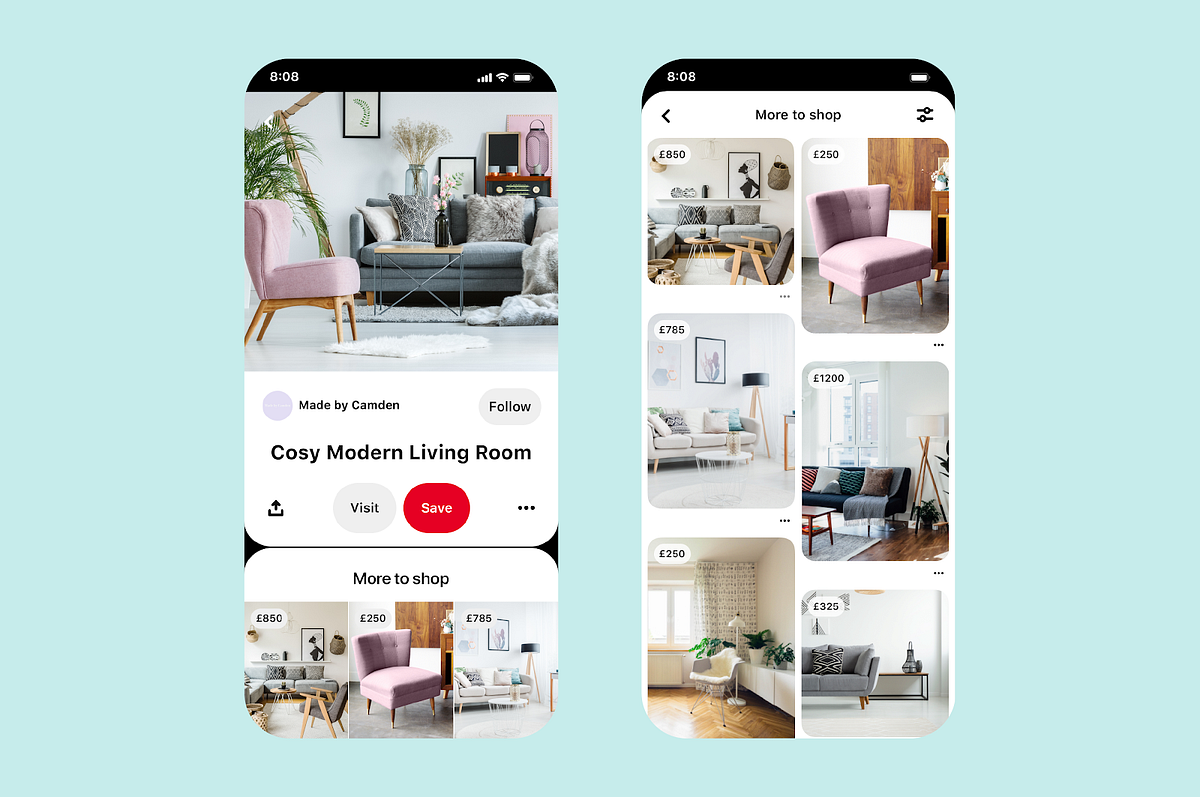
Leveraging Pinterest for Lifestyle Product Discovery opens up a vibrant world of visual inspiration where users can discover products that enhance their everyday lives. With its unique blend of social media and search functions, Pinterest serves as a powerful platform for users looking for lifestyle ideas, trends, and products that resonate with their personal style. From fashion finds to home decor, Pinterest’s visually driven interface makes it an ideal space for both consumers and brands to connect.
This platform not only provides endless inspiration but also allows users to curate their preferences and discover new lifestyle products tailored to their tastes. As Pinterest continues to evolve, understanding how to effectively navigate and utilize its features becomes essential for anyone looking to maximize their product discovery experience.
In today’s fast-paced world, the importance of maintaining good mental health has gained significant recognition. Mental health involves our emotional, psychological, and social well-being, affecting how we think, feel, and act. It also plays a crucial role in how we handle stress, relate to others, and make decisions. Understanding the elements that contribute to mental health is essential for fostering a supportive environment for ourselves and those around us.### What is Mental Health?Mental health is more than just the absence of mental illness.
It encompasses our emotional and psychological well-being, which can fluctuate based on life circumstances. Factors influencing mental health include genetics, brain chemistry, trauma, and environmental factors. Mental health disorders, such as anxiety, depression, and bipolar disorder, can affect anyone, regardless of age, gender, or background.### The Importance of Mental HealthMaintaining good mental health is crucial for several reasons:
1. Overall Well-being
Mental health significantly affects physical health, leading to conditions like heart disease, obesity, and diabetes. It influences our ability to engage in self-care and maintain healthy habits.
2. Quality of Life
Good mental health enhances our quality of life, allowing us to enjoy daily activities, form meaningful relationships, and pursue our goals and aspirations.
3. Productivity
Mental well-being plays a vital role in our ability to function effectively in the workplace or school. Poor mental health can lead to decreased productivity, increased absenteeism, and strained relationships with colleagues or classmates.
4. Resilience
A healthy mind fosters resilience, enabling us to cope with stress and recover from setbacks. Resilience is essential for navigating life’s challenges, whether personal, professional, or social.### Signs of Poor Mental HealthRecognizing the signs of poor mental health is the first step toward seeking help. Some common indicators include:
- Persistent sadness or low mood
- Excessive worry or anxiety
- Changes in appetite or sleep patterns
- Withdrawal from social activities
- Difficulty concentrating or making decisions
- Increased irritability or mood swings
If you or someone you know is experiencing these symptoms, it may be time to consult a mental health professional.### Strategies for Improving Mental HealthImproving mental health involves a combination of self-care practices, social connections, and professional help. Here are some effective strategies:
1. Regular Exercise
Physical activity releases endorphins, which are natural mood lifters. Aim for at least 30 minutes of moderate exercise most days of the week to boost your mood and overall well-being.
2. Healthy Eating
A balanced diet rich in fruits, vegetables, whole grains, and lean proteins can positively impact mental health. Foods high in omega-3 fatty acids, vitamins, and minerals are particularly beneficial for maintaining brain health.
3. Adequate Sleep
Sleep is essential for cognitive function and emotional regulation. Aim for 7-9 hours of quality sleep each night to support mental health.
4. Mindfulness and Meditation
Practicing mindfulness or meditation can help reduce stress and anxiety. Techniques such as deep breathing, progressive muscle relaxation, or guided imagery can lead to better emotional regulation.
5. Stay Connected
Building and maintaining strong relationships with family, friends, and community members can provide essential emotional support. Social connections are vital for mental well-being, so make time for meaningful interactions.
6. Seek Professional Help
If you’re struggling with mental health issues, don’t hesitate to seek the help of a mental health professional. Therapy and counseling can provide valuable tools for coping with challenges and improving mental health.
7. Limit Alcohol and Substance Use
Alcohol and drugs can exacerbate mental health issues. Limiting or avoiding these substances can significantly improve your mental well-being.
8. Set Realistic Goals
Setting achievable goals can promote a sense of purpose and direction. Break larger goals into smaller, manageable tasks to avoid feeling overwhelmed.
9. Engage in Hobbies
Pursuing interests and hobbies can provide a sense of accomplishment and joy. Whether it’s painting, gardening, or playing a musical instrument, engaging in enjoyable activities can improve mood and decrease stress.1
0. Practice Gratitude
Cultivating a gratitude practice can shift your focus from negative thoughts to positive ones. Consider keeping a gratitude journal to reflect on the things you’re thankful for each day.### The Role of Community in Mental HealthCommunity support plays a vital role in promoting mental health. By fostering an environment of understanding and acceptance, communities can help reduce the stigma associated with mental health issues.
Here are some ways communities can contribute:
Awareness Campaigns
Organizing mental health awareness campaigns can educate the public about the importance of mental health and available resources.
Support Groups
Providing spaces for individuals to share their experiences and challenges can create a sense of belonging and support.
Accessible Resources
Ensuring that mental health resources, such as counseling services and hotlines, are accessible to everyone in the community is essential for promoting mental well-being.
Training Programs
Offering training for community leaders, educators, and healthcare providers on mental health awareness and support can enhance the overall mental health of the community.### ConclusionMental health is a vital aspect of our overall well-being, affecting every facet of our lives. By understanding its importance and implementing effective strategies for improvement, we can foster a healthier society. Remember, it’s okay to seek help when needed, whether through self-care practices or professional support.
Together, we can create a more supportive environment for mental health, helping ourselves and others lead happier, healthier lives.
Frequently Asked Questions: Leveraging Pinterest For Lifestyle Product Discovery
How can I make my Pinterest boards more appealing?
To enhance your Pinterest boards, focus on cohesive themes, utilize high-quality images, and add engaging descriptions that encourage interaction.
Is Pinterest effective for driving sales?
Yes, Pinterest has been shown to be effective for driving sales, particularly for brands in fashion, home decor, and DIY sectors, due to its visual nature and users’ intent to discover products.
Can I use Pinterest for business marketing?
Absolutely! Pinterest is a valuable tool for business marketing, enabling brands to showcase products, share content, and engage with potential customers through visually appealing pins.
What type of content works best on Pinterest?
Content that performs best on Pinterest includes high-quality images, infographics, tutorials, and pins that provide clear value or inspiration to the viewer.
How can I increase my followers on Pinterest?
To grow your followers on Pinterest, regularly pin engaging content, use relevant s for , collaborate with other users, and promote your Pinterest profile on other social media platforms.