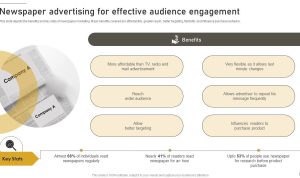
Monetizing News Through Sponsored Content has emerged as a pivotal strategy for news organizations striving to enhance revenue streams in a competitive media landscape. As traditional advertising methods decline, sponsored content offers a creative avenue to engage audiences while providing financial support to journalism. This approach not only allows media outlets to maintain editorial integrity but also enables brands to connect with consumers in a more authentic way.
In exploring this topic, we will delve into the mechanisms behind sponsored content, its benefits for both media companies and advertisers, and how it can be effectively integrated into news platforms without compromising trustworthiness.
In the modern world, the significance of effective communication cannot be overstated. Whether in professional settings or casual conversations, the ability to convey thoughts clearly and persuasively is a skill that can significantly impact one’s success. Recognizing the pivotal role of communication, we delve into its various facets, exploring how it shapes our interactions and influences outcomes.To begin, let’s consider the essence of communication.
At its core, communication is the process of exchanging information, ideas, and feelings between individuals or groups. This exchange can take many forms, including verbal, non-verbal, written, and visual communication. Each type plays a unique role in our daily interactions and contributes to the overall effectiveness of our communication.Verbal communication is perhaps the most apparent form. It encompasses spoken words and the tone in which they are delivered.
Effective verbal communication requires not only articulating words clearly but also being mindful of the tone and volume. For instance, a calm and friendly tone can foster a positive atmosphere, while a harsh tone may lead to misunderstandings and conflict. The importance of tone highlights that it is not just what we say, but how we say it that impacts our message.Next, we have non-verbal communication, which includes body language, facial expressions, gestures, and eye contact.
These elements can often convey more meaning than words themselves. For example, crossing arms may indicate defensiveness, while maintaining eye contact can signify attentiveness and confidence. Being aware of non-verbal cues can enhance our communication skills, allowing us to read between the lines and respond appropriately to the emotions and reactions of others.Written communication is another crucial aspect, especially in today’s digital age.
Emails, texts, reports, and social media posts are all forms of written communication that require clarity and precision. In written form, the absence of vocal tone and body language necessitates a careful choice of words. Misinterpretations are more likely to occur without visual or auditory cues, making it essential to articulate thoughts coherently and succinctly. Furthermore, the use of proper grammar and punctuation cannot be overlooked, as they contribute to the professionalism and credibility of the written message.Visual communication involves the use of imagery, symbols, and charts to convey information.
In a world inundated with information, visuals can help distill complex data into digestible formats, making it easier for audiences to understand and retain crucial information. Infographics, for example, can effectively illustrate statistics and trends, enhancing the overall impact of the communication.In addition to understanding different forms of communication, it is equally important to recognize the barriers that can hinder effective communication.
These barriers can be physical, psychological, or cultural. Physical barriers may include distance and environment, which can affect how messages are conveyed and received. For instance, communicating over a poor internet connection may lead to misunderstandings, as parts of the message may be lost or misheard.Psychological barriers refer to the mental and emotional factors that can affect communication. Stress, anxiety, and preconceived notions can all impede the flow of communication.

For example, if an individual approaches a conversation with a negative mindset or bias, they may misinterpret the other person’s intentions or message. Cultivating a positive mindset and being open to different perspectives can help overcome these psychological barriers.Cultural barriers are also significant, especially in our increasingly globalized world. Different cultures have unique communication styles and norms, which can lead to misunderstandings if not recognized.
For example, in some cultures, direct communication is valued, while in others, indirect communication might be the norm. Being culturally aware and sensitive can enhance interpersonal relationships and foster effective communication across diverse backgrounds.To improve communication skills, several strategies can be employed. Active listening is one of the most effective techniques. It involves fully concentrating on the speaker, understanding their message, and responding thoughtfully.
Active listening not only demonstrates respect but also helps clarify any misunderstandings early on. Asking open-ended questions can further facilitate deeper conversations, encouraging others to elaborate and share their thoughts.Another useful strategy is to practice empathy. Understanding the feelings and emotions of others can significantly enhance communication. When we empathize, we create a safe space for open dialogue, allowing individuals to express themselves without fear of judgment.
This empathetic approach fosters trust and strengthens relationships, whether in personal or professional contexts.Feedback is another essential element of effective communication. Providing constructive feedback can help individuals grow and improve their communication skills. However, it is crucial to deliver feedback tactfully, focusing on specific behaviors rather than making personal judgments. Encouraging a two-way feedback process creates an environment of continuous learning and improvement, benefiting all parties involved.In the realm of professional communication, the ability to adjust one’s communication style to suit the audience is vital.
Different situations may require varying degrees of formality and tone. For example, a business presentation may necessitate a more formal approach, while a team meeting might allow for a relaxed and conversational tone. The key is to gauge the audience’s expectations and adapt accordingly, ensuring that the message resonates effectively.In addition, leveraging technology can enhance communication in today’s fast-paced world.
Tools such as video conferencing, instant messaging, and collaborative platforms allow for real-time communication and collaboration. These technologies break down geographical barriers and facilitate more immediate exchanges of ideas. However, it remains crucial to apply the same principles of effective communication in virtual settings, maintaining clarity and professionalism.As we navigate the complexities of communication, it is important to reflect on the role of emotional intelligence (EI).
Emotional intelligence encompasses the ability to recognize, understand, and manage our own emotions while also empathizing with the emotions of others. High emotional intelligence can lead to better communication outcomes, as individuals with strong EI are often more adept at navigating difficult conversations and resolving conflicts.In conclusion, effective communication is a multifaceted skill that plays a critical role in all aspects of life.
By understanding the different forms of communication, recognizing barriers, and employing strategies to enhance our skills, we can foster clearer, more meaningful interactions. Whether in personal relationships, professional environments, or broader social contexts, the ability to communicate effectively is an invaluable asset that can lead to greater success and fulfillment. As we continue to develop our communication skills, let us remember the importance of listening, empathy, and adaptation, ensuring that our messages are not only heard but also understood and valued.
Essential Questionnaire: Monetizing News Through Sponsored Content
What is sponsored content?
Sponsored content is a type of advertisement that resembles editorial content but is paid for by a brand, allowing them to promote their products or services in a way that integrates with the media platform’s content.
How does sponsored content differ from traditional advertising?
Unlike traditional ads that are clearly marked and often disruptive, sponsored content blends seamlessly with the editorial content, providing value to readers while promoting the brand.
Is sponsored content effective for audience engagement?
Yes, sponsored content can be highly effective for audience engagement as it provides information or entertainment while subtly promoting a brand, often leading to higher interaction rates compared to standard advertisements.
Are there any ethical concerns with sponsored content?
There are ethical concerns regarding transparency and the potential for misleading audiences if sponsored content is not clearly labeled, making it crucial for media outlets to maintain transparency about paid partnerships.
How can media outlets ensure the quality of sponsored content?
Media outlets can ensure quality by collaborating closely with brands to align the content with their editorial standards and audience expectations, maintaining a focus on providing value to readers.