Using AR Technology to Sell Home Decoration sets the stage for an exciting exploration of how augmented reality is transforming the home decor industry. This innovative technology allows customers to visualize products in their own spaces, making the shopping experience more interactive and personalized. As we delve into this topic, we will uncover the benefits, challenges, and future potential of AR in enhancing consumer engagement and driving sales in home decoration.
In the contemporary digital landscape, the importance of effective communication cannot be overstated. Whether in personal interactions or professional exchanges, the way we articulate our thoughts impacts relationships, perceptions, and outcomes. This article delves into the nuances of communication, exploring its various forms, the barriers that impede it, and strategies for enhancing clarity and understanding.### The Essence of CommunicationAt its core, communication is the art of conveying information, thoughts, and emotions between individuals or groups.
It is a multifaceted process that involves several key components: the sender, the message, the medium, the receiver, and feedback. The sender initiates the process by encoding their thoughts into a message, which is then transmitted through a chosen medium—be it spoken words, written text, gestures, or visual aids. The receiver decodes the message, and the cycle is completed with feedback that informs the sender of the message’s effectiveness.### Forms of CommunicationCommunication can be categorized into several forms, each serving distinct purposes and contexts.#### Verbal CommunicationThis is perhaps the most recognized form, encompassing spoken and written language.
Verbal communication is powerful due to its directness and ability to convey complex ideas succinctly. In professional settings, clear verbal communication fosters collaboration and enhances teamwork, while in personal environments, it strengthens bonds and resolves conflicts.#### Non-verbal CommunicationOften overlooked, non-verbal cues such as body language, gestures, and facial expressions play a significant role in how messages are interpreted. For instance, a smile can convey friendliness, while crossed arms might indicate defensiveness.
Being aware of these signals can enhance interpersonal interactions and lead to more effective communication.#### Visual CommunicationWith the rise of digital technology, visual communication has gained prominence. Infographics, charts, and videos can convey information more engagingly and memorably than text alone. This form is particularly useful in presentations and marketing, where visual appeal can significantly influence audience engagement.### Barriers to Effective CommunicationDespite its importance, communication is often fraught with challenges.
Understanding these barriers is crucial to fostering better interactions.#### Language DifferencesIn our globalized world, language barriers can hinder effective communication. Misinterpretations can arise when individuals speak different languages or use jargon unfamiliar to others. It’s essential to adapt language and terminology to the audience’s understanding to bridge this gap.#### Emotional BarriersEmotions can significantly impact how messages are conveyed and received.
Anger, frustration, or anxiety can cloud judgment and lead to misunderstandings. Cultivating emotional intelligence—awareness and management of one’s emotions—can help mitigate these barriers.#### Cultural DifferencesCultural backgrounds influence communication styles, meaning, and interpretation. What is considered polite or respectful in one culture may be perceived differently in another. Being culturally sensitive and aware of these differences can promote more effective exchanges.### Strategies for Enhancing CommunicationImproving communication skills is a valuable investment, both personally and professionally.
Here are several strategies to enhance clarity and effectiveness:#### Active ListeningListening is as crucial as speaking in communication. Active listening involves fully concentrating on the speaker, understanding their message, and responding thoughtfully. This practice not only fosters respect but also encourages open dialogue and collaboration.#### Clarity and ConcisenessWhen conveying messages, strive for clarity and conciseness. Avoid jargon and overly complex language that may confuse the audience.
A straightforward approach enhances understanding and retention.#### EmpathyEmpathy is the ability to understand and share the feelings of others. By putting oneself in another’s shoes, communicators can build rapport and trust, leading to more meaningful interactions. This is particularly important in conflict resolution, where understanding differing perspectives can facilitate a resolution.#### FeedbackEncouraging and providing constructive feedback is vital in improving communication.
Feedback should be specific, actionable, and delivered in a manner that promotes growth. This practice fosters an environment where individuals feel valued and understood.### The Role of Technology in CommunicationThe advent of technology has transformed communication, making it more accessible and instantaneous. However, it also poses new challenges. While emails, messaging apps, and video conferencing facilitate quick exchanges, they can lead to misunderstandings due to the absence of non-verbal cues.
Striking a balance between digital and personal communication is essential for maintaining effective relationships.#### Virtual Communication EtiquetteIn virtual settings, maintaining professionalism is crucial. Clear subject lines, concise messages, and prompt responses can enhance communication efficiency. Additionally, being mindful of tone and language in written formats can prevent misinterpretations.### ConclusionEffective communication is a cornerstone of successful relationships, whether in personal or professional contexts.
By understanding its forms, recognizing potential barriers, and implementing strategies for improvement, individuals can enhance their communication skills. In a world that increasingly relies on digital interactions, fostering meaningful connections through effective communication is more important than ever. Embracing the nuances of communication can lead to enriched relationships and a deeper understanding of one another.
Commonly Asked Questions: Using AR Technology To Sell Home Decoration
What are the main benefits of using AR in home decoration?
AR enhances customer engagement, allows for better visualization of products, reduces return rates, and creates a personalized shopping experience.
How does AR technology work in home decoration?
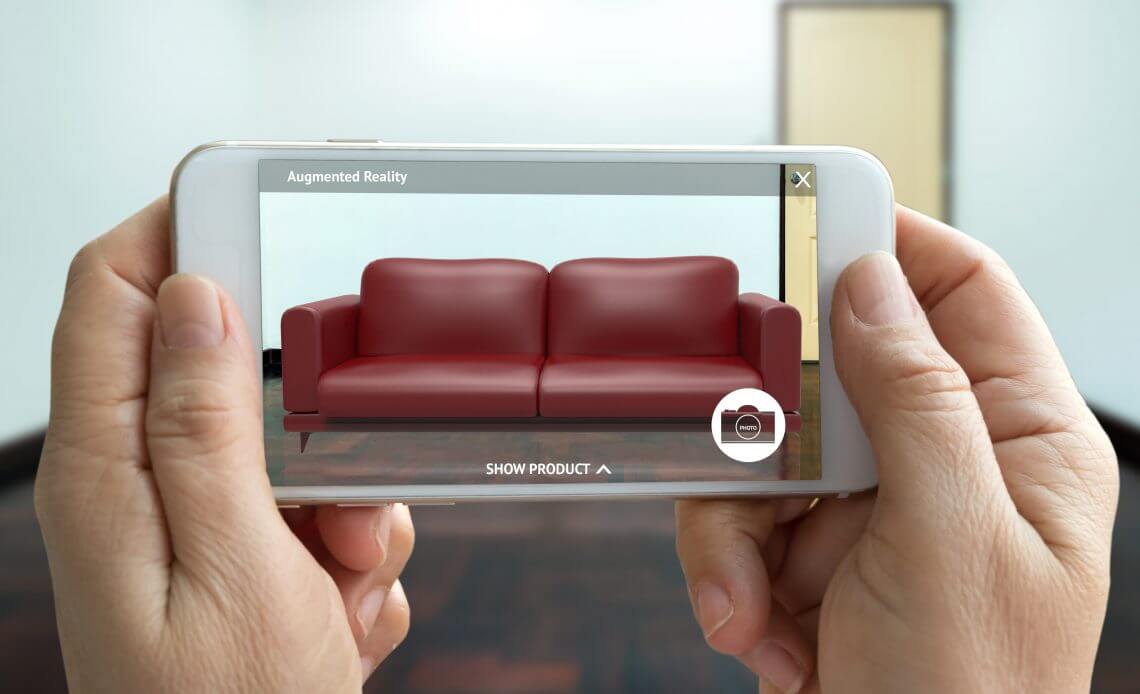
AR technology uses smartphone or tablet cameras to overlay digital images of furniture or decor items onto real-world settings, enabling users to see how items fit in their space.
Are there any challenges when implementing AR technology?
Challenges include high development costs, the need for user-friendly interfaces, and ensuring compatibility with various devices.
Can AR technology be used for all types of home decor?
Yes, AR can be utilized for various home decor items, including furniture, paint colors, and decorative accessories.
What is the future outlook for AR in home decoration?
The future is promising, with advancements in technology likely to improve AR applications, making them more accessible and effective for consumers and retailers alike.