Marketing Strategies for Selling Luxury Accessories is an essential area for brands looking to thrive in the competitive world of high-end goods. With a growing consumer base that seeks not just products but experiences, understanding effective marketing strategies becomes crucial. This overview will explore the dynamics of selling luxury accessories, highlighting key approaches that resonate with affluent customers and help brands stand out.
From leveraging exclusive partnerships to creating immersive shopping experiences, the right strategies can significantly enhance brand visibility and customer loyalty. As luxury consumers become increasingly discerning, brands must adapt their marketing efforts to align with the evolving expectations of their clientele.
In today’s fast-paced world, where information is available at our fingertips, it becomes increasingly vital to differentiate between mere data and meaningful knowledge. While data represents raw facts and figures, knowledge is the interpretation and understanding of that data, often contextualized by experience, insight, and wisdom. In this article, we will delve into the significance of knowledge in our lives, the ways in which we can cultivate it, and the role it plays in decision-making processes across various fields.First, let’s explore what constitutes knowledge.
At its core, knowledge can be seen as a combination of information, experience, and understanding. It is not simply the accumulation of facts; rather, it involves the ability to analyze, synthesize, and apply those facts in real-world scenarios. Knowledge can be categorized into different types: procedural (knowing how), declarative (knowing that), experiential (knowledge gained through experience), and situational (context-specific understanding).
Each type plays a crucial role in shaping our perceptions and actions.Acquiring knowledge is a lifelong journey that begins at an early age. Formal education systems, such as schools and universities, provide a structured approach to learning. However, much of our knowledge comes from informal sources as well, such as family, friends, and self-directed learning. The advent of the internet has revolutionized the way we access information; online courses, webinars, and digital libraries have made knowledge more accessible than ever before.
The challenge, however, lies in discerning credible sources from unreliable ones.To cultivate knowledge effectively, one must adopt a proactive learning mindset. This includes being curious and open to new information, as well as critically evaluating what one learns. Active learning techniques, such as discussions, teaching others, and applying knowledge in practical situations, can enhance retention and understanding. Additionally, continuous reflection on experiences can deepen one’s insights and lead to greater wisdom.The importance of knowledge cannot be overstated.
In professional settings, informed decision-making is crucial. Whether in business, healthcare, or science, the ability to analyze data and draw meaningful conclusions can mean the difference between success and failure. Leaders who value knowledge are better equipped to navigate challenges, inspire their teams, and drive innovation. Moreover, in our personal lives, knowledge helps us make informed choices that align with our values and goals.In the context of technology, knowledge management has emerged as a critical discipline.
Organizations are increasingly recognizing the value of harnessing collective knowledge to improve efficiency and drive growth. By implementing systems that facilitate knowledge sharing and collaboration, businesses can foster a culture of continuous improvement and adaptability. Tools such as knowledge bases, collaborative platforms, and social networks play a significant role in this process.One fascinating aspect of knowledge is its dynamic nature.
As we acquire new information, our existing knowledge base evolves, leading to shifts in understanding and perspective. This is particularly evident in scientific fields, where theories and models are continuously tested and refined. The scientific method exemplifies the iterative process of knowledge acquisition, where hypotheses are formed, experiments conducted, and conclusions drawn—all of which contribute to a deeper understanding of the natural world.Moreover, knowledge has social implications.
It shapes cultures, influences societal norms, and drives progress. Communities that prioritize education and knowledge-sharing often experience enhanced social cohesion and economic development. Conversely, knowledge gaps can lead to disparities in opportunities and outcomes, highlighting the importance of equitable access to education and resources.In conclusion, knowledge is a multifaceted and invaluable asset in our lives. It empowers us to navigate complexities, make informed decisions, and drive positive change in our communities.
By fostering a culture of curiosity, critical thinking, and collaboration, we can enhance our collective understanding and harness the power of knowledge for the greater good. As we continue to explore new frontiers and face global challenges, the pursuit of knowledge remains a fundamental endeavor that can shape our future.
Essential Questionnaire: Marketing Strategies For Selling Luxury Accessories
What are the key elements of luxury marketing?
Key elements include exclusivity, storytelling, superior quality, and exceptional customer service.
How can social media impact luxury accessory sales?
Social media can enhance brand visibility, create a sense of community, and facilitate direct engagement with consumers.
What role does influencer marketing play in this sector?
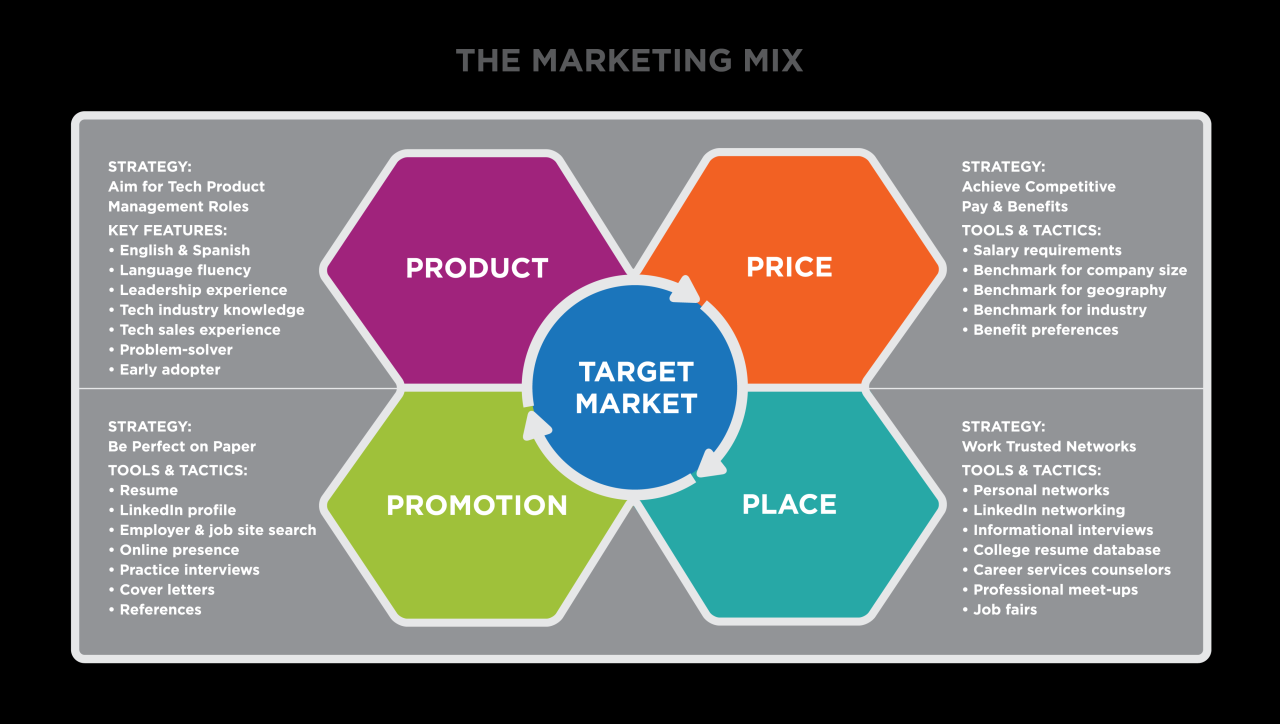
Influencer marketing helps to establish credibility and reach target audiences more effectively through trusted figures in the luxury space.
Why is customer experience important in luxury sales?
A great customer experience fosters brand loyalty and encourages repeat purchases, which are crucial in the luxury market.
How can brands measure the success of their marketing strategies?
Brands can measure success through KPIs such as customer engagement, sales figures, brand awareness, and customer feedback.