Fashion Photography Tips for E-commerce can make or break your online sales. In a digital marketplace flooded with options, the right photography can elevate your brand and entice customers to click “buy.” This guide will provide insights into capturing stunning images that showcase your products effectively, helping you stand out in a competitive landscape.
Understanding the nuances of lighting, composition, and styling is vital for e-commerce success. Whether you’re a seasoned photographer or just starting, these tips will help you create visuals that not only attract but also convert potential buyers into loyal customers.
In today’s fast-paced world, where the digital landscape continuously evolves, understanding the importance of having a solid online presence is crucial for both individuals and businesses. This article delves into the various aspects of developing a robust online footprint, exploring the significance of personal branding, social media engagement, and content creation.### Understanding Online PresenceAn online presence refers to the way individuals or businesses present themselves on the internet.
It encompasses everything from a personal blog to a company’s website, social media profiles, and online reviews. A well-crafted online presence can significantly impact reputation, credibility, and visibility. #### The Importance of Personal BrandingPersonal branding is the process of managing and optimizing your image and reputation online. It involves showcasing your unique skills, experiences, and values to distinguish yourself from others in your field.
In a competitive job market, a strong personal brand can be the deciding factor in attracting potential employers or clients.
1. Define Your Brand
Start by identifying what you stand for. What are your values? What skills do you possess that set you apart? Create a concise brand statement that encapsulates your essence.
2. Consistency is Key
Ensure that your messaging is uniform across all platforms. This consistency helps build trust and familiarity with your audience.
3. Showcase Your Expertise
Share your knowledge through blog posts, articles, or videos. This not only demonstrates your expertise but also positions you as a thought leader in your industry.
4. Engage Authentically
Interact with your audience genuinely. Respond to comments, participate in discussions, and show appreciation for feedback. Authentic engagement fosters community and loyalty.#### Leveraging Social MediaSocial media platforms have become invaluable tools for building and maintaining an online presence. They not only provide a space to connect with others but also serve as powerful marketing channels for businesses.
1. Choose the Right Platforms
Not all social media platforms are created equal. Select those that align with your target audience and industry. For instance, LinkedIn is ideal for professionals, while Instagram may be better suited for creative industries.
2. Post Regularly
Consistency in posting keeps your audience engaged and informs them about your activities or offerings. Develop a content calendar to plan and organize your posts.
3. Utilize Visual Content
Eye-catching images, infographics, and videos tend to perform better on social media. Visual content is more likely to be shared, expanding your reach.
4. Analyze and Adjust
Use analytics tools to track your engagement and reach. This data can help you understand what works and what doesn’t, allowing you to refine your strategy over time.#### The Role of Content CreationContent is at the heart of any online presence. It not only attracts visitors but also keeps them engaged. High-quality content can position you as an authority in your field and enhance your credibility.
1. Blogging
Starting a blog is an excellent way to share your knowledge and insights. Regularly updated blogs can also improve your website’s , making it easier for potential customers to find you.
2. Video Content
Videos are increasingly popular, with many users preferring them over text. Consider creating tutorials, vlogs, or webinars to convey your message effectively.
3. Podcasts
If you enjoy speaking, podcasts can be a fantastic platform for sharing ideas and connecting with your audience. They allow for deeper conversations and can establish a strong connection with listeners.
4. Guest Posting
Collaborating with other bloggers or websites can expose you to a new audience. Writing guest posts not only builds credibility but also drives traffic back to your own site.#### Building a NetworkNetworking is a significant aspect of establishing an online presence. Building relationships with like-minded individuals and industry leaders can lead to new opportunities and collaborations.
1. Attend Events
Participate in webinars, workshops, or conferences relevant to your field. Networking in person or virtually can lead to valuable connections.
2. Join Online Communities
Engage in forums or social media groups related to your industry. These platforms can provide support, share insights, and foster collaborations.
3. Reach Out
Don’t hesitate to connect with individuals whose work you admire. A friendly message expressing your appreciation can open doors for future interactions.
4. Follow Up
Maintain connections by following up regularly. Sending a quick message or sharing relevant content can keep the relationship alive.#### Monitoring Your ReputationIn the digital age, reputation management is paramount. Online reviews and social media chatter can influence potential clients’ or employers’ perceptions of you.
1. Google Yourself
Regularly check what comes up when you search your name. This practice will help you identify any negative content or reviews that may need your attention.
2. Respond to Feedback
Whether negative or positive, respond to reviews and comments professionally. Demonstrating that you value feedback can enhance your reputation.
3. Create Positive Content
Proactively publish content that reflects your values and expertise. This can help push down any negative search results over time.
4. Stay Informed
Keep up with trends and news in your industry. Being informed allows you to navigate discussions confidently and stay relevant.### ConclusionCreating a strong online presence is essential in today’s digital age. By focusing on personal branding, leveraging social media, producing quality content, building a network, and managing your reputation, you can establish a powerful online footprint that fosters growth and success.
In a world where first impressions are often formed online, investing time and effort into developing your online presence is no longer optional—it’s a necessity.
Frequently Asked Questions: Fashion Photography Tips For E-commerce
What equipment do I need for e-commerce photography?
A good camera, a tripod, and proper lighting are essential. Additionally, a backdrop and editing software can enhance your photos.
How important is styling in fashion photography?
Styling is crucial as it helps to present the product attractively and can influence the overall perception of the brand.
Can I use my smartphone for e-commerce photography?
Yes, many smartphones have excellent cameras. With the right techniques, you can achieve professional-looking images.
What are the best lighting conditions for product photography?
Natural light is ideal, but if shooting indoors, consider using softbox lights or ring lights for consistent illumination.
How do I edit my fashion photographs for e-commerce?
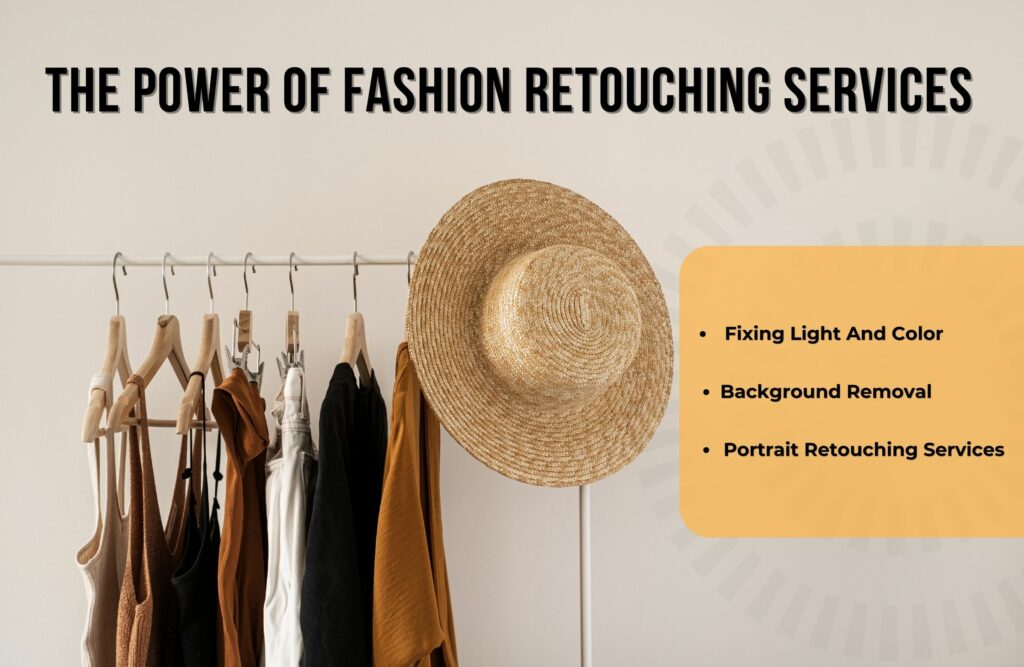
Use photo editing software to adjust brightness, contrast, and color balance, and to remove any distractions from the image.