Wholesale vs. Retail in the Fashion Industry sets the stage for this enthralling narrative, offering readers a glimpse into the dynamic interplay between two essential distribution channels. Understanding the distinction between wholesale and retail is crucial for anyone navigating the fashion landscape, as each plays a unique role in bringing products from designers to consumers. This discussion will shed light on the characteristics, advantages, and challenges of both models, equipping you with the knowledge to make informed decisions in this vibrant industry.
In today’s fast-paced world, the significance of effective communication cannot be overstated. Whether in a professional setting or personal interactions, how we convey our thoughts and feelings plays a pivotal role in establishing connections and fostering understanding. In this article, we will explore the various facets of communication, providing insights and practical tips to enhance your communicative prowess.### The Art of Communication#### Understanding CommunicationCommunication is not merely about exchanging information; it’s about understanding the emotions and intentions behind the information.
The classic model of communication involves a sender, a message, and a receiver. However, this model is often oversimplified. In real-life scenarios, factors such as body language, tone of voice, and personal biases can significantly influence how messages are sent and received.#### Types of Communication
1. Verbal Communication
This includes spoken words and conversations. The choice of words, tone, and pace can affect the message’s clarity and impact.
2. Non-verbal Communication
Body language, facial expressions, and gestures often speak louder than words. Being aware of your non-verbal cues can enhance or undermine your verbal messages.
3. Written Communication
This encompasses emails, text messages, reports, and social media posts. Written communication allows for reflection but can lack the emotional nuances of spoken communication.
4. Visual Communication
Images, graphs, and charts can convey complex information quickly and effectively. They are particularly useful in presentations and marketing materials.### Enhancing Your Communication SkillsImproving communication skills is a continuous process. Here are some practical tips to help you become a more effective communicator:#### 1. Be an Active ListenerListening is just as important as speaking. Active listening involves fully concentrating on the speaker, understanding their message, responding thoughtfully, and remembering key points.
It shows respect and fosters a deeper connection. To practice active listening:
- Make eye contact and nod to show engagement.
- Avoid interrupting the speaker.
- Paraphrase or summarize what you’ve heard to confirm understanding.
#### 2. Tailor Your MessageConsider your audience when crafting your message. What works in one context may not be effective in another. Adapt your language, tone, and content based on who you are communicating with. For example, a casual approach may be appropriate for friends, while a formal tone is essential in professional settings.#### 3.
Be Clear and ConciseClarity is key to effective communication. Avoid jargon and overly complex language, especially when discussing topics that may not be familiar to your audience. Aim for brevity while ensuring that your message is comprehensive enough to provide the necessary details.#### 4. Use Positive Body LanguageYour body language can enhance or contradict your verbal message. Maintain an open posture, avoid crossing your arms, and use gestures to emphasize points.
Smiling and maintaining eye contact can also foster a welcoming atmosphere.#### 5. Practice EmpathyEmpathy involves understanding and sharing the feelings of others. When communicating, strive to see things from the other person’s perspective. This can help you respond more appropriately and build rapport.#### 6. Ask for FeedbackSeeking feedback is crucial for improvement.
After a conversation or presentation, ask for constructive criticism. This can provide valuable insights into your strengths and areas for improvement.### Overcoming Communication BarriersEven with the best intentions, communication barriers can arise. Here are some common barriers and how to overcome them:#### 1. Language DifferencesIn a multicultural world, language barriers can be significant. To bridge this gap, consider using simple language, avoiding idioms, and confirming understanding.#### 2.
Emotional BarriersStrong emotions can cloud judgment and hinder effective communication. If you sense that emotions are running high, it may be helpful to take a break and revisit the discussion when everyone has calmed down.#### 3. Cultural DifferencesCultural norms influence communication styles. What is considered polite in one culture may be seen as rude in another. Educate yourself about the cultural backgrounds of those with whom you interact to enhance mutual understanding.#### 4.
Physical BarriersIn remote communication, physical barriers such as poor technology can impede clarity. Ensure that your devices are functioning well and choose a conducive environment for discussions.### The Importance of Non-Verbal CommunicationNon-verbal cues often carry more weight than spoken words. Understanding and mastering non-verbal communication can significantly enhance your overall communicative effectiveness. Here’s how:#### 1. Facial ExpressionsYour face can express a myriad of emotions—happiness, confusion, anger, and more.
Being aware of your facial expressions and interpreting those of others can provide deeper insights into the conversation.#### 2. GesturesUsing appropriate gestures can emphasize your points and aid understanding. However, be cautious as gestures can have different meanings in different cultures.#### 3. ProximityThe physical distance during a conversation can also convey messages. Standing too close may invade personal space, while standing too far can appear standoffish.
Gauge your audience and adjust your proximity accordingly.#### 4. Tone of VoiceThe way you say something can be just as important as what you say. A warm, friendly tone can foster connection, while a harsh tone may create defensiveness.### Digital Communication in the Modern AgeIn an increasingly digital world, communication often occurs through various online platforms. Here are some considerations for effective digital communication:#### 1.
Be Mindful of ToneWritten communication can easily be misinterpreted. Use emojis or punctuation to convey tone when appropriate, and consider how your words may be perceived.#### 2. Stay ProfessionalIn professional settings, maintain a level of formality even in casual communication. Use proper etiquette in emails, and avoid slang and overly casual language unless you know the recipient well.#### 3. Avoid Overloading InformationIn digital communications, especially emails, avoid overwhelming recipients with too much information at once.
Use bullet points and headers to organize content and make it easier to digest.#### 4. Respect PrivacyIn the digital realm, privacy is paramount. Always seek permission before sharing someone else’s information or images and be conscious of your own digital footprint.### ConclusionEffective communication is a vital skill that can enhance personal and professional relationships. By improving your listening skills, tailoring your messages, and being aware of non-verbal cues, you can become a more effective communicator.
Remember that communication is a two-way street; it requires both speaking and listening. Embrace the journey of honing this skill, and you’ll find it enriches your interactions and opens doors to new opportunities.In a world where connection and understanding are more important than ever, mastering the art of communication will serve you well in all facets of life. So go ahead, practice these tips, and watch as your relationships flourish!
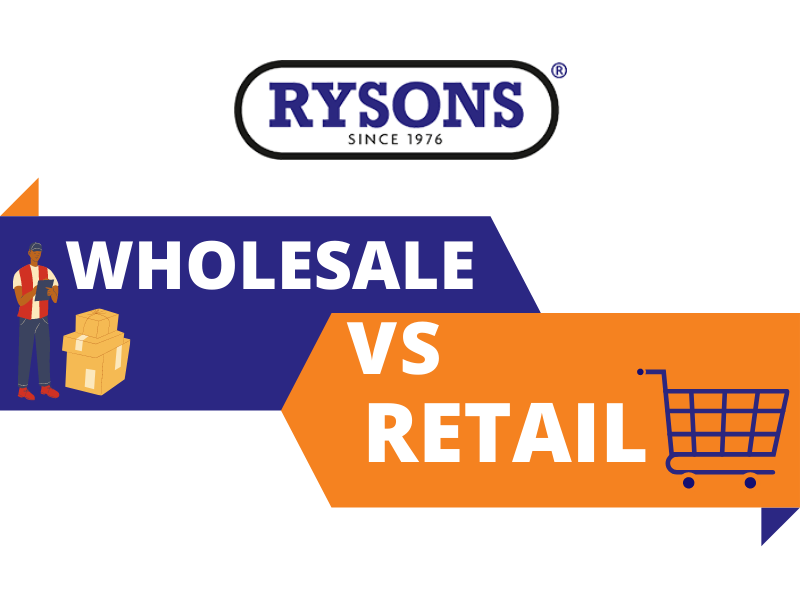
Expert Answers: Wholesale Vs. Retail In The Fashion Industry
What is the main difference between wholesale and retail?
The main difference is that wholesalers sell products in bulk to retailers or other businesses, while retailers sell products directly to consumers in smaller quantities.
How do pricing strategies differ in wholesale and retail?
Wholesale pricing is typically lower since products are sold in bulk, whereas retail pricing includes a markup to cover costs and profit margins for the retailer.
Can a business operate as both a wholesaler and retailer?
Yes, many businesses choose to operate in both capacities, selling directly to consumers while also supplying products to other retailers.
What are some benefits of buying wholesale in fashion?
Buying wholesale often results in lower prices per item, access to exclusive collections, and the ability to purchase in larger quantities for better inventory management.
How does customer service differ between wholesale and retail?
Retailers typically focus more on customer service to enhance the buying experience, while wholesalers may prioritize efficient transaction processes and bulk order handling.