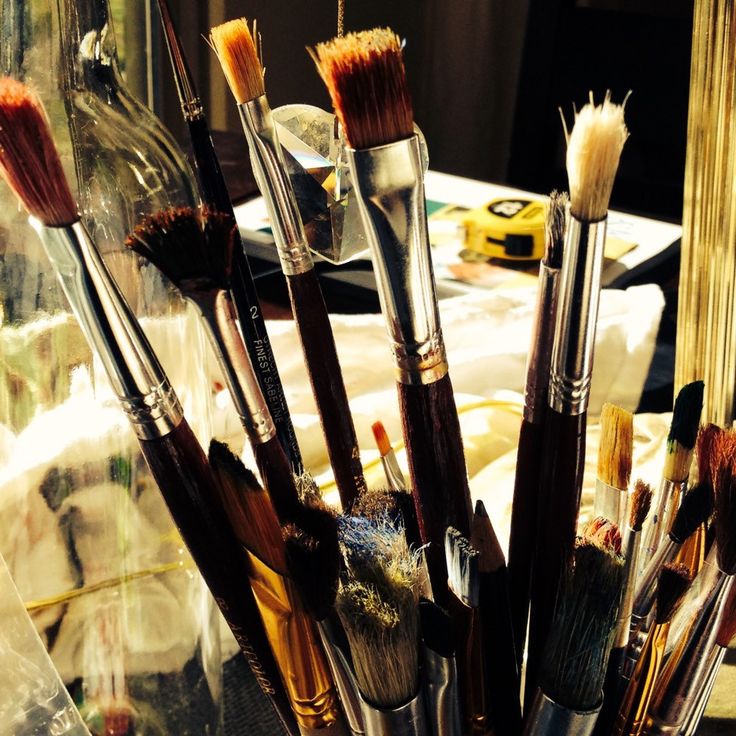
Creating Limited Edition Home Decor Pieces opens the door to a world of creativity and uniqueness, inviting enthusiasts to explore the charm of specialized interior designs. These exclusive items are not just decorations; they tell a story, embodying craftsmanship and artistic expression that captivates the eye and enriches living spaces.
In today’s marketplace, filled with mass-produced items, limited edition pieces stand out, providing homeowners with the opportunity to personalize their environments. This approach not only enhances aesthetics but also fosters a deeper connection between the individual and their living space, making every piece a conversation starter and a cherished memory.
In today’s fast-paced world, the importance of effective communication cannot be overstated. Whether in personal relationships or professional settings, clear and concise communication lays the foundation for understanding, collaboration, and success. However, many find it challenging to express their thoughts and ideas in a manner that resonates with others. This article explores some practical techniques that can enhance your communication skills, making your interactions more engaging and productive.### The Basics of Effective CommunicationAt its core, effective communication is about conveying a message in a way that is easily understood by others.
It involves not just the words you choose, but also your tone, body language, and listening skills. Here are some fundamental aspects to consider:
1. Clarity and Conciseness
Aim to express your ideas clearly. Avoid jargon unless you are sure your audience understands it. Keep your sentences short and to the point. For example, instead of saying, “We should discuss the possibility of implementing a new strategy that could potentially enhance our productivity,” you might say, “Let’s talk about a new strategy to boost productivity.”
2. Active Listening
Communication is a two-way street. To improve your skills, focus on listening as much as you speak. Show that you value others’ opinions by nodding, maintaining eye contact, and providing feedback. Reflective listening, where you paraphrase what someone has said, can help clarify misunderstandings.
3. Non-Verbal Communication
Your body language plays a significant role in communication. Be mindful of your posture, facial expressions, and gestures. Open body language, such as uncrossed arms and a friendly smile, can make you appear more approachable.### Building RapportEstablishing a connection with your audience is crucial for effective communication. Building rapport fosters trust and makes the other person more receptive to your message.
Here are some techniques to help you build rapport:
1. Find Common Ground
Start conversations by identifying shared interests or experiences. This can create an immediate connection and ease any tension.
2. Use Names
People appreciate being addressed by their name. It personalizes the interaction and shows respect.
3. Be Mindful of Emotions
Recognize the emotional state of your audience. If someone appears upset, acknowledge their feelings before continuing with the conversation.### Tailoring Your MessageCommunication is not one-size-fits-all. It’s essential to tailor your message based on your audience. Consider the following:
1. Know Your Audience
Before communicating, take time to understand who you are speaking to. What are their interests? What level of knowledge do they have about the subject? Tailoring your message ensures that it resonates.
2. Adjust Your Tone
The tone of your communication should match the context. For formal settings, a more professional tone is appropriate, while a casual tone may be better suited for informal gatherings.
3. Use Visual Aids
In many cases, visual aids can enhance understanding. Diagrams, charts, or slides can help clarify complex information.### Overcoming Communication BarriersVarious barriers can hinder effective communication, including language differences, cultural misunderstandings, and psychological factors. Here are some strategies to overcome these obstacles:
1. Be Patient
When communicating with someone who speaks a different language, be patient. Speak slowly and clearly, and be willing to repeat or rephrase if necessary.
2. Cultural Sensitivity
Cultivate an understanding of cultural differences. What may be acceptable in one culture may not be in another. A little research can go a long way in avoiding misunderstandings.
3. Manage Stress
High-stress situations can lead to miscommunication. Practice stress management techniques, such as deep breathing or taking a moment to collect your thoughts before responding.### The Role of FeedbackFeedback is an essential component of effective communication. It allows for clarification and fosters an environment of growth. Here’s how to give and receive feedback effectively:
1. Be Constructive
When giving feedback, focus on the behavior, not the person. For example, instead of saying, “You did this wrong,” try saying, “This part of the project could be improved by…”
2. Ask for Feedback
Encourage others to provide feedback on your communication style. This can help you identify areas for improvement.
3. Follow Up
If you receive feedback, take the time to reflect on it. If it’s appropriate, follow up with the person to show that you value their input.### The Power of StorytellingStorytelling is a powerful tool in communication. It can captivate an audience and make your message more memorable. Here are some tips for effective storytelling:
1. Know Your Story
Ensure that your story is relevant to the topic at hand. A well-chosen story can illustrate your point better than any statistic.
2. Engage Your Audience
Use descriptive language to paint a picture. Ask questions or encourage participation to keep your audience engaged.
3. Practice Your Delivery
The way you tell your story matters. Practice your tone, pacing, and body language to ensure that your delivery enhances the story.### ConclusionEffective communication is an invaluable skill that can enhance every aspect of our lives. By focusing on clarity, active listening, and building rapport, you can foster deeper connections and more productive interactions. Remember to tailor your message to your audience and be mindful of potential barriers.
With practice and dedication, anyone can become a more effective communicator. Embrace the journey of improving your communication skills, and watch as your personal and professional relationships thrive.
Frequently Asked Questions: Creating Limited Edition Home Decor Pieces
What makes limited edition home decor pieces special?
They are unique, often handcrafted items that offer a personal touch to home decor, unlike mass-produced alternatives.
How can I find limited edition home decor pieces?
Look for local artisan markets, specialized online shops, or galleries that focus on unique home decor.
Are limited edition pieces worth the investment?
Yes, they often appreciate in value over time and can enhance the aesthetic appeal of your home.
Can limited edition decor fit into any style of home?
Absolutely! They can complement various styles, from modern to traditional, depending on the piece.
How do I care for limited edition home decor pieces?
Follow the manufacturer’s care instructions, and handle them with care to maintain their beauty and integrity.