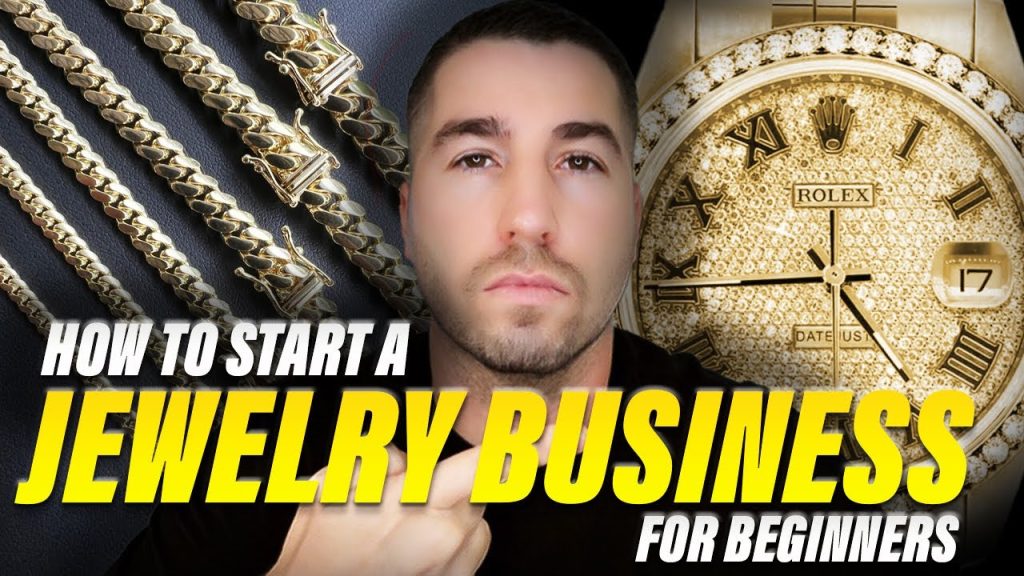
Jewellery Influencer Collaboration Ideas open up a world of creative opportunities for brands looking to elevate their presence in the market. By partnering with influencers who resonate with their target audience, brands can effectively showcase their products in innovative ways that engage and inspire potential customers.
From curated collections to social media campaigns, the possibilities are endless. These collaborations not only enhance brand visibility but also foster authentic connections with consumers through relatable storytelling and unique aesthetics that influencers bring to the table.
In today’s fast-paced world, the ability to communicate effectively is more important than ever. Whether in a professional setting or in casual conversations, the way we express ourselves can significantly impact the outcome of interactions. This article aims to delve into the nuances of effective communication, exploring various strategies to enhance our skills and ensure clarity in our messages.Effective communication is not merely about exchanging information; it involves understanding the emotions and intentions behind the information.
It encompasses verbal, non-verbal, and written forms, each with its own rules and best practices. By honing our communication skills, we can improve our relationships, reduce misunderstandings, and foster a more collaborative environment.One key aspect of effective communication is active listening. This skill goes beyond just hearing the words spoken; it involves fully engaging in the conversation, understanding the speaker’s perspective, and responding thoughtfully.
Active listening can be cultivated by practicing the following techniques:
1. Maintain Eye Contact
This simple act shows the speaker that you are focused and engaged. It builds trust and encourages openness.
2. Avoid Interrupting
Allowing the speaker to finish their thoughts demonstrates respect and gives you a clearer understanding of their message.
3. Reflect and Summarize
Paraphrasing what the speaker has said can confirm your understanding and reassure them that you value their input.
4. Ask Open-Ended Questions
Encourage the speaker to elaborate by asking questions that require more than a yes or no answer. This can lead to deeper insights and a more meaningful conversation.While active listening is crucial, verbal communication also holds significant weight. The words we choose can convey different meanings and influence how our message is received. To enhance verbal communication, consider the following tips:
1. Be Clear and Concise
Avoid jargon or overly complex language that could confuse the listener. Aim for simplicity and clarity to ensure your message is understood.
2. Adjust Your Tone
The tone of your voice can convey emotions and attitudes. Modulating your tone to suit the context can help in delivering your message more effectively.
3. Use Positive Language
Framing your words positively can create a more constructive atmosphere. Instead of saying what cannot be done, focus on potential solutions and possibilities.
4. Be Mindful of Your Pace
Speaking too quickly may lead to misunderstandings, while speaking too slowly might bore the listener. Find a comfortable pace that allows for clarity and engagement.Non-verbal communication is equally important, as body language, facial expressions, and gestures can enhance or contradict your verbal messages. Here are some essential non-verbal cues to keep in mind:
1. Posture
A confident posture can convey authority and openness, while slouching may suggest disinterest or insecurity.
2. Facial Expressions
Your face often reflects your emotions. Being aware of your expressions can help in aligning your non-verbal cues with your verbal message.
3. Gestures
Using hand gestures can emphasize points you are making and help to engage your audience. However, be cautious not to overdo it, as excessive gestures can be distracting.
4. Proximity
The physical distance between you and the person you are communicating with can affect the interaction. Respect personal space, but also be aware of cultural differences regarding proximity.Written communication, particularly in a professional context, requires additional considerations. Clarity and professionalism are paramount when crafting emails, reports, or any form of written correspondence. Here are some tips for effective written communication:
1. Structure Your Writing
Use paragraphs, headings, and bullet points to organize your thoughts. This makes it easier for readers to follow your message.
2. Proofread
Spelling and grammatical errors can undermine your credibility. Always take a moment to review your writing before sending or publishing it.
3. Know Your Audience
Tailor your language and tone to suit the recipient. Formal language may be necessary for business communications, while a more casual tone may be appropriate for friendly correspondence.
4. Be Specific
Instead of vague statements, provide concrete examples and details. This helps to clarify your points and make your writing more impactful.In addition to these techniques, cultural awareness plays a significant role in effective communication, especially in diverse environments. Understanding cultural differences in communication styles can help avoid misunderstandings and foster inclusivity. Here are a few considerations:
1. Cultural Norms
Different cultures have varying norms regarding eye contact, gestures, and personal space. Being aware of these differences can help you navigate conversations more effectively.
2. Language Barriers
When communicating with non-native speakers, it’s essential to be patient and clear. Avoid idiomatic expressions that may not translate well.
3. Respect for Differences
Recognize that different backgrounds can influence communication preferences. Being open to learning about others’ perspectives fosters a more harmonious interaction.Moreover, technology has transformed the way we communicate. With the rise of emails, instant messaging, and video conferencing, it’s crucial to adapt our communication styles to these platforms. Here are some tips for effective communication in a digital age:
1. Be Mindful of Tone
Written communication lacks the nuances of face-to-face interactions. Using emojis or exclamation marks can help convey tone, but be cautious not to overuse them in professional settings.
2. Use Appropriate Channels
Choose the right platform for your message. For urgent matters, a phone call or video chat might be more effective than an email.
3. Stay Professional
Even in casual settings, maintaining a level of professionalism is essential, especially in workplace communications. This helps to build respect and credibility.
4. Follow Up
In a digital environment, it’s easy for messages to get lost. Don’t hesitate to follow up if you haven’t received a response, but do so respectfully.As we navigate the complexities of communication, it’s essential to remember that it’s a skill that can always be improved. Regular practice and self-reflection can lead to significant advancements in our ability to connect with others.
Taking feedback from peers and mentors can also provide valuable insights into our communication styles.In conclusion, effective communication is a multifaceted skill that involves active listening, clear verbal and non-verbal cues, and effective written correspondence. By being mindful of these elements and continuously working to improve our communication skills, we can foster better relationships, reduce misunderstandings, and create a more collaborative environment.

Whether in personal or professional contexts, the ability to communicate effectively is an invaluable asset that can lead to greater success and fulfillment in our interactions.
Essential FAQs: Jewellery Influencer Collaboration Ideas
What are the benefits of collaborating with influencers?
Collaborating with influencers enhances brand visibility, builds trust with consumers, and allows for creative marketing strategies that resonate with target audiences.
How to choose the right influencer for your jewellery brand?
Look for influencers whose audience aligns with your target market, whose style complements your brand, and who demonstrate authenticity and engagement in their content.
What types of collaborations work best in the jewellery industry?
Popular collaboration types include limited edition collections, giveaways, tutorials, and sponsored posts that showcase the jewellery in lifestyle contexts.
How can I measure the success of an influencer collaboration?
Success can be measured through engagement metrics (likes, comments, shares), website traffic, conversion rates, and overall brand sentiment before and after the collaboration.
What are common mistakes to avoid when working with influencers?
Avoid unclear contracts, failing to vet influencers properly, and neglecting to provide clear guidelines on expectations and deliverables.